
Fragrance has enchanted humanity for thousands of years. From sacred rituals in ancient temples to modern designer bottles gracing vanity tables, the history of fragrance is as captivating as the scents themselves. In this blog, we explore the origin of perfume, trace how perfumes were made over centuries, and uncover key moments in the history of perfume making.
The Origin of Perfume: Where It All Began
Ancient Civilizations and Fragrance Rituals
The origin of perfume dates back more than 5,000 years. The magic of aroma was first discovered by ancient civilizations like Egypt, Mesopotamia, India, and China. The origin of the word “Perfume”, derived from the Latin “per fumum,” meaning “through smoke”. This refers to an ancient practice of burning incense to produce pleasant scents.
In Egypt, priests created perfumes using essential oils, resins, and herbs like frankincense and myrrh. Cleopatra herself was known for her custom-made fragrances, using them as symbols of power and seduction. Meanwhile, in India, aromatic oils like sandalwood and jasmine were infused into daily spiritual practices.
How Perfumes Were Made in the Ancient World
The First Perfume-Making Techniques
When discussing how perfumes were made in early times, the focus was on natural ingredients. Flowers, spices, woods, and animal fats were commonly used to create scented balms and oils.
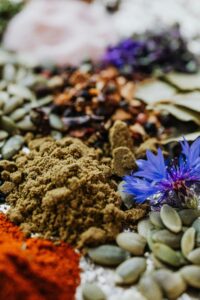
Early methods included:
- Infusion: Soaking aromatic substances in oil or fat
- Distillation: Invented by the Persians, this was a game-changer in extracting essential oils
- Maceration: Crushing petals into fats to extract aroma
- Incensing: Popular in temples and homes
The history of perfume making shows a deep connection between scent and nature, long before synthetic chemicals existed.
Perfume in Ancient Greece and Rome
From Luxury to Lifestyle
The Greeks were among the first to write about perfumes as luxury items. They used scents in both health and hygiene practices, as well as in worship. The Romans later commercialized perfume use even more, incorporating fragrances into public baths and daily routines.
Perfume vessels made from glass, gold, and ceramics became common, highlighting how scent was becoming integrated into society. The history of fragrance in this era reflects a shift from religious significance to personal indulgence.
Middle Ages: Perfume and Preservation
Spices, Trade, and Cultural Influence
Following the fall of the Roman Empire, perfume usage declined across Europe. However, the Islamic world preserved and advanced perfume-making. Arabic chemists, like Avicenna, refined the distillation process, making it more effective and widespread.
During the Crusades, Europeans were reintroduced to Eastern perfume traditions. The ingredients like spices and fragrant were imported via the Silk Road, which revived the art of perfumery. This period played a vital role in the history of perfume making, setting the foundation for the Renaissance explosion in Europe.
The Renaissance and the Birth of Modern Perfume
Fragrance Meets Fashion
The 14th and 15th centuries saw the re-emergence of perfumes in European high society. In France and Italy, perfumes became closely tied to fashion and cleanliness—especially as bathing was discouraged due to health myths.
Perfume artisans in Grasse, France began producing floral waters and aromatic oils, thanks to the region’s abundance of flowers like lavender, rose, and jasmine. This marked a pivotal point in the history of fragrance, turning perfume from a religious ritual into an everyday luxury.
How Perfumes Were Made During the Renaissance
Key ingredients used included:
- Orange blossom
- Neroli
- Bergamot
- Rose petals
- Animal musk (from deer, civet, and ambergris)
This era also saw the rise of “perfumed gloves” and scented accessories, making scent a status symbol.
18th to 19th Century: Industrial Innovation and Mass Appeal
The Perfume Revolution
The history of perfume making changed dramatically during the Industrial Revolution. Technological advancements allowed for:
- Mass production of scents
- Development of synthetic ingredients
- Long-lasting and more stable fragrances
France continued to lead the industry, with brands like Houbigant and Guerlain rising to fame. Perfume was no longer reserved for royals—it was now available to the growing middle class.
The history of fragrance during this time mirrors the democratization of luxury, turning perfume into a global commodity.
Perfume Making in the 19th Century
With the discovery of synthetic compounds like vanillin and coumarin, perfumers were able to craft more complex, consistent, and long-lasting fragrances. These synthetic breakthroughs not only lowered production costs but also allowed creative freedom beyond what natural ingredients could offer.
20th Century to Today: Perfume as Personal Identity
Designer Brands and Signature Scents
Perfume emerged as a key element of fashion and identity in the 20th century. Legendary designers like Coco Chanel, Christian Dior, and Yves Saint Laurent launched their own fragrances, integrating scent with style.
Chanel No. 5, launched in 1921, became an icon, symbolizing glamour and modern femininity. There saw a rise in celebrity perfumes, niche brands, and unisex fragrances from 1950s to 2000s.
The Modern Era of Fragrance
In today’s world, the history of fragrance is still unfolding. Consumers are more conscious about:
- Natural vs synthetic ingredients
- Sustainability in packaging
- Cruelty-free and vegan products
Digital tools and AI are also transforming how perfumes are made and sold. Personalized scents, subscription boxes, and online perfume quizzes are making fragrance more accessible and fun.
Conclusion: Why the History of Fragrance Still Matters
The origin of perfume, its sacred beginnings, and its evolution through various cultures and eras tell a rich story. From burning incense in temples to designer perfumes on store shelves, the history of perfume making reveals how scent reflects identity, status, spirituality, and innovation.
As you choose your next fragrance, remember: you’re not just wearing a scent—you’re continuing a tradition that dates back thousands of years.
Key Takeaways
- The origin of perfume started in ancient civilizations for the religious and spiritual purposes.
- Techniques on how perfumes were made evolved from natural infusions to synthetic creations.
- The history of fragrance reflects changes in society, science, fashion, and lifestyle.
- Today, perfume is not only an accessory but a statement of individuality and emotion.
- If you’re curious to explore handcrafted or modern fragrances, browse our latest perfume collections—inspired by tradition and designed for the present.